ByJohn A
How to Start an Art Business?
Turning artistic skills into a business can be an exciting way to earn income while building a career around creativity. Whether you create digital illustrations, paintings, handmade artwork, or custom designs, knowing how to start an art business requires more than creative talent. You also need to understand your audience, define your products, build a recognizable brand, and choose the right tools for producing and promoting your work.
For artists who work digitally, the right equipment can also make a noticeable difference in the creative process. A suitable drawing display can provide better control and a more natural workflow. If you are comparing different options, this guide to the best drawing tablet 2026 can be a useful starting point.
So, how to start an art business successfully? The process becomes much easier when you break it down into several practical steps.
1. Decide What Type of Art Business You Want to Build
The first step in understanding how to start an art business is deciding what you want to create and sell. The art industry offers many different business models, so you do not have to rely only on selling original artwork.
Common options include:
· Selling original paintings or drawings
· Creating and selling digital illustrations
· Offering custom portraits and commissions
· Designing prints, posters, or greeting cards
· Selling stickers, apparel, or other art merchandise
· Providing illustration services for businesses
· Creating artwork for books, games, or marketing projects
· Selling digital products such as brushes or printable designs
· Teaching art through online courses or workshops
Think about your strongest skills and the type of work you enjoy producing. A focused business is often easier to promote than one that offers too many unrelated products. For example, an illustrator might specialize in character commissions, while another artist may focus on printable wall art.
2. Identify Your Target Audience
Another important part of how to start an art business is knowing who is most likely to purchase your work.
Think about your potential customers’ interests, budgets, buying habits, and reasons for purchasing art. Someone looking for a custom portrait may have very different expectations from a company seeking commercial illustrations.
You can create a basic customer profile by considering:
· Age and interests
· Preferred art style
· Typical spending range
· Where they discover artists
· What type of artwork they need
· Why they might choose your work
Researching similar artists can also provide useful insights. Look at their product ranges, pricing, presentation, and customer feedback. This is not about copying competitors but identifying gaps and opportunities that can help your own brand stand out.
3. Build a Professional Art Portfolio
A strong portfolio is essential when learning how to start an art business because it gives potential customers a quick impression of your skills and artistic style.
Your portfolio does not need to contain dozens of pieces. Instead, select your strongest and most relevant work. If you want to attract children’s book illustration projects, for example, your portfolio should demonstrate character design, storytelling, and an appropriate visual style.
Digital artists should also consider how their equipment affects their workflow. A pressure-sensitive drawing tablet can provide greater control over lines, shading, and brush strokes, which can be particularly useful for detailed illustrations.
Your portfolio can be displayed through a personal website, online portfolio platform, or social media account. Keep the presentation organized and make it easy for visitors to contact you or purchase your artwork.
4. Choose the Right Digital Art Equipment
For digital artists, equipment is an important part of how to start an art business. A capable computer and suitable creative software are essential, but the drawing device you use can also affect comfort, precision, and productivity.
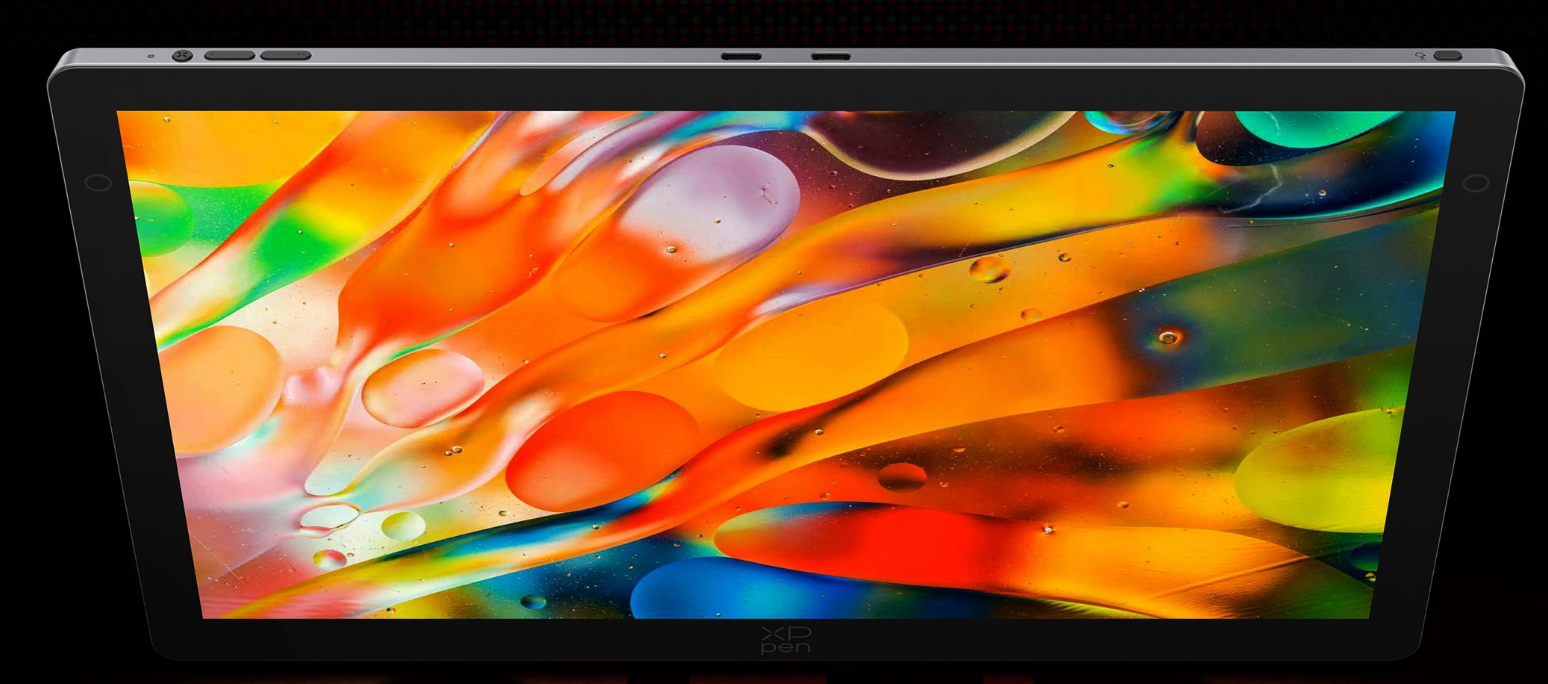
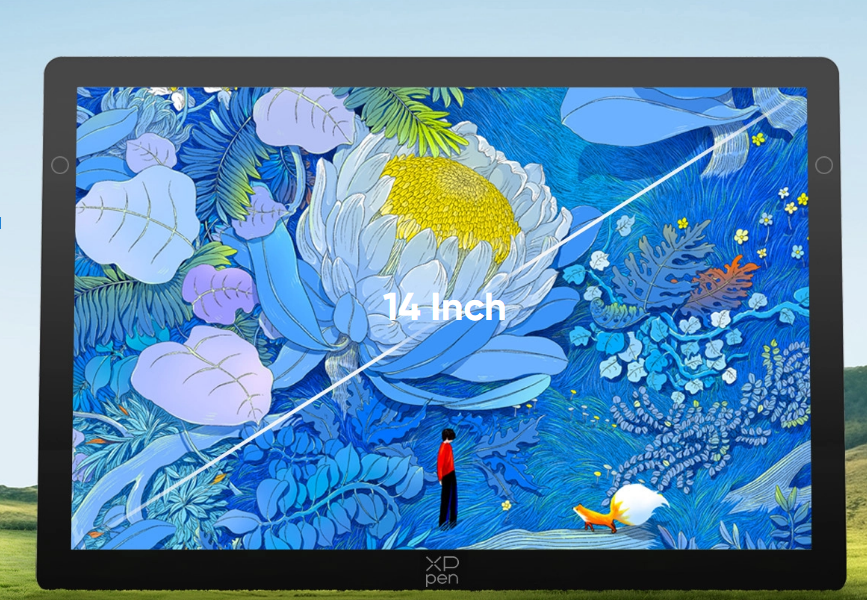
One option worth considering is the XPPen Artist Ultra 14, a compact drawing display designed for digital artists who want a direct drawing experience. Instead of drawing on a separate surface while looking at a monitor, artists can work directly on the screen, which can make the process feel more intuitive.
Some factors to consider when choosing a drawing display include:
· Display quality: A clear and color-accurate screen can help you evaluate details and colors more confidently.
· Pen performance: Pressure sensitivity and accurate tracking provide better control over strokes.
· Screen size: A larger workspace can benefit detailed projects, while a compact display may be easier to carry.
· Ergonomics: A comfortable working position can make long drawing sessions more manageable.
· Software compatibility: Check whether the device supports the creative applications you regularly use.
The right equipment depends on your budget, working style, and creative needs. Rather than focusing only on specifications, consider whether the device can fit smoothly into your everyday workflow.
5. Create a Business Name and Brand Identity
When considering how to start an art business, branding should not be overlooked. Your business name and visual identity help customers recognize your work and distinguish it from other artists.
You can use your own name if you want to build a personal artist brand, or create a separate studio name if you plan to expand your business in the future. Choose a name that is easy to remember, spell, and associate with your artistic style.
Your visual identity can include a logo, color palette, typography, packaging, and consistent image style. Your website and social media profiles should also have a similar appearance.
A consistent brand can make a small art business look more professional and help customers remember your work.
6. Set Your Prices Carefully
Pricing is another key consideration in how to start an art business. New artists sometimes set their prices too low because they are concerned about losing potential customers. However, pricing should reflect the actual value and cost of your work.
Consider the time required to create each piece, material costs, software, equipment, packaging, shipping, platform fees, and other business expenses. Your experience and the complexity of the artwork should also influence your prices.
For commissioned work, clearly explain what the customer receives, how many revisions are included, how long the project will take, and what happens if additional changes are requested.
As your portfolio and customer base grow, review your pricing regularly and make adjustments when necessary.
7. Choose Where to Sell Your Artwork
Knowing how to start an art business also means deciding where customers can find and purchase your work.
You can sell through your own website, online marketplaces, social media platforms, local art fairs, galleries, or a combination of several channels. Each option has different advantages.
A personal website gives you greater control over your brand and customer experience. Social media can help you showcase new artwork and interact with potential buyers, while marketplaces may give you access to an established audience.
You do not need to launch on every platform at once. Start with one or two channels that fit your target audience, then expand as your business grows.
8. Promote Your Artwork Through Content
Marketing is an important part of how to start an art business, but promoting artwork does not always require traditional advertising.
The creative process itself can become valuable content. Artists can share sketches, time-lapse videos, finished pieces, behind-the-scenes images, tutorials, or stories about how an artwork was created.
Useful content can help potential customers understand your artistic process while making your brand more recognizable. It can also give followers a reason to return to your website or social media accounts.
When promoting your artwork, focus on consistency rather than trying to create content on every platform. Choose channels where your target customers are most active and develop a manageable publishing routine.
9. Keep Your Business Finances Organized
An important but sometimes overlooked part of how to start an art business is financial management.
Keep track of sales, material costs, equipment purchases, shipping expenses, platform fees, and other business-related costs. These records can help you understand how much your business is earning and where your money is going.
It is also useful to establish a simple budget for your business. For example, you may need to set aside money for new equipment, marketing, packaging, or future product development.
Depending on where you live, you may also need to consider business registration, taxes, permits, or other legal requirements. If you are uncertain about these matters, consulting a qualified professional can help you understand your responsibilities.
Final Thoughts
Learning how to start an art business is a process that combines creativity with practical planning. You need a clear niche, a strong portfolio, appropriate equipment, sensible pricing, effective promotion, and organized finances.
You do not need to build a large business immediately. Starting with a focused product range and gradually developing your customer base can make the process easier to manage.
Whether you sell original artwork, digital illustrations, commissions, or creative products, the key is to build a business around both your artistic strengths and the needs of your customers. With careful planning and consistent effort, your creative skills can become the foundation of a sustainable art business.