ByJohn A
What Actually Goes Into Building a Safe, Reliable Escalator
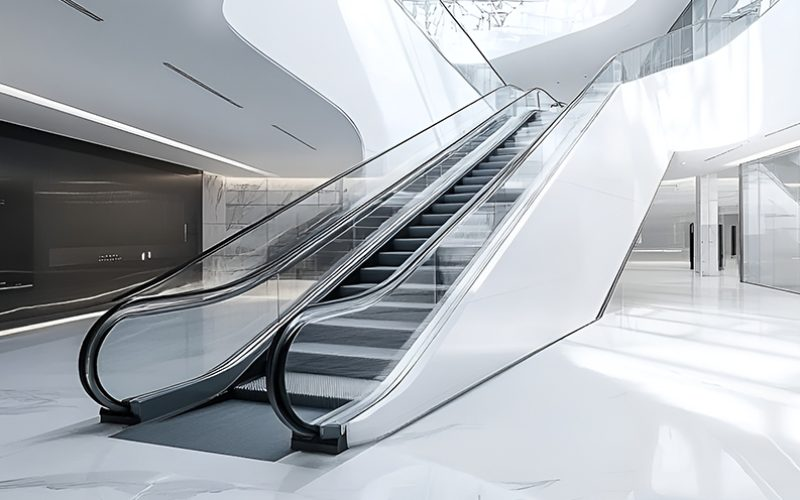
Escalators are one of those pieces of infrastructure that people trust implicitly, stepping onto a moving staircase without a second thought, often while carrying luggage, pushing a stroller, or holding a small child’s hand. That trust is only possible because a genuinely serious amount of engineering and safety consideration goes into how an escalator is designed and built, and understanding what actually separates a well built escalator from a mediocre one is worth knowing if you are involved in specifying this kind of equipment for a building project.
Built for Constant, Repetitive Use
Unlike an elevator, which sits idle between trips, an escalator in a busy location often runs continuously for most of the day. Shopping malls, airports, and transit hubs put escalators through an enormous amount of cumulative wear, since the steps and mechanical drive system are essentially always in motion during operating hours. This makes durability under constant usage one of the most important qualities to look for, since a system that performs well in short bursts but struggles under sustained daily operation is not actually suited to the environments where escalators are most commonly installed.
Safety Features That Operate Continuously
A well designed escalator system incorporates several layers of automatic safety protection working at all times. Automatic stop mechanisms allow the system to halt quickly if a hazardous condition is detected, which matters enormously given how many people, including children and elderly passengers, use escalators daily. Handrail sensors monitor whether passengers are actually holding on, which supports safer riding behavior, particularly for less steady passengers. Emergency alerts give both passengers and building staff a way to respond quickly if something does go wrong during operation.
An escalator manufacturer that builds these features into its systems as standard, rather than optional extras, reflects the seriousness with which the industry treats passenger safety. GOTS Elevator, for instance, describes its escalator systems as including automatic stop mechanisms, handrail sensors, and emergency alerts as core features across its lineup, aimed specifically at serving locations with high foot traffic and a wide range of passenger ages and abilities.
Designed With Accessibility in Mind
Escalators serve an important accessibility function in public spaces, offering an alternative to stairs for people who may struggle with a full flight of steps but do not need or want to use an elevator. This makes smooth, predictable operation particularly important, since anything jerky or inconsistent creates real risk for passengers who are already navigating a moving surface with less physical stability than they would have on a stationary staircase. Small children and elderly passengers benefit especially from an escalator that moves at a steady, predictable pace with reliable handrail support the whole way.
Why Consistency Across Long Operating Hours Matters
Airports and metro stations in particular often run escalators nearly around the clock, which places sustained demand on both the mechanical components and the safety systems. An escalator built for this kind of continuous operation needs components rated for that level of use, along with monitoring systems capable of catching wear or developing issues before they become safety concerns. This is part of why manufacturers place so much emphasis on smooth, quiet, dependable operation as a design goal, rather than treating it as a secondary consideration behind speed or capacity.
What This Means When Evaluating Equipment
For anyone responsible for specifying escalator equipment, whether for a new shopping center, an airport terminal, or an office building lobby, it is worth looking past general marketing claims and asking specifically what safety systems are standard, how the equipment is rated for continuous use, and what kind of daily traffic volume the system has actually been engineered to handle. An escalator that looks similar to another on a spec sheet can perform very differently once it is actually running for ten or twelve hours a day under heavy foot traffic, and that difference is exactly what determines whether passengers continue to trust it without a second thought.